Video Game Career: Score Composer

There is much that can be said for doing what you love. As they say, if you do what you love, you never work a day in your life.

For people who would love nothing more than to enjoy a profitable career in the video game industry, there are available jobs other than just programmers, game testers, and computer animators. After all, what would Super Mario Bros. be without the music?

One of the most popular video games of all time, the music for Super Mario Bros. was penned by Japanese composer Koji Kondo who has been on Nintendo’s payroll since 1984. Talk about job security!

Since video games have become mini-movies, no video game is complete without a music score. Music professionals adept in composition and arranging can enjoy careers with video game companies writing video game theme songs. Through a music or composition degree, you can develop the music skills necessary to have your compositions be immortalized in video game history like the Super Mario Bros. theme!

Interview With The Image Professor, LisaMarie Luccioni

Teachers have the power to impact the world by imparting knowledge and wisdom with their students. This week we had the pleasure of connecting with one such influential educator, LisaMarie Luccioni, a communications and etiquette professor with the University of Cincinnati. An image and etiquette expert, LisaMarie is often referred to as The Image Professor and is a certified image consultant with AICI, the Association of Image Consultants International. LisaMarie has been featured on NPR, CNN’s Anderson Cooper 360 Show, and blogs regularly for Psychology Today. An educator at heart, she blogs about important image and etiquette issues from a social, political, and cultural framework, empowering her readers to project their visual and verbal best.

MC&C: What is your job title / description?
LML: I’m a twenty-year adjunct professor of Communication at the University of Cincinnati. I have two teaching appointments: (1) teaching communication in the College of Arts & Sciences and (2) business etiquette/professional image in the College of Business.

MC&C: Describe a typical day on the job.
LML:

  • Drive to campus and hope to find a free parking space.
  • 12:00-12:30 Greet colleagues, check faculty mailbox, try (!!) to check email inbox
  • 12:30-1:45 Teach a Day Class Session
  • 2:00-3:15 Teach a Day Class Session
  • 3:30-4:45 Office Hours (advising, meet with Students)
  • 5:00-6:30 Continue advising students as needed, grade papers/speeches, prepare for my evening class/future class sessions, try to read emails, walk to our university center for dinner
  • 6:30-9:10 Teach a Night Class Session
  • 9:30 Leave campus! Parking lots can be far from one’s building, so I’ll usually switch into my comfortable walking shoes.

During this whole day, I’m in high-energy mode. Classroom is interactive lecture. When class has formally ended, students pose various individual questions. Future teachers? Prepare yourself for questions galore. Your job is to answer them.

I try to get most of my grading done on campus, but when necessary, will bring home with me. I pride myself on returning work quickly. You get it to me on Tuesday, it’s returned on Thursday.

MC&C: What is the most rewarding part of being a professor?
LML: My students are my loves. They keep me young, teach me new words, and make working a pleasure. Fall quarter on a college campus is a cool occupational gig.

Students learn. Students improve. Students remember. They take what you share as they move into their futures. In that way, you’re always with them. Many will write years later emphasizing what they learned in your class and thanking you for it.
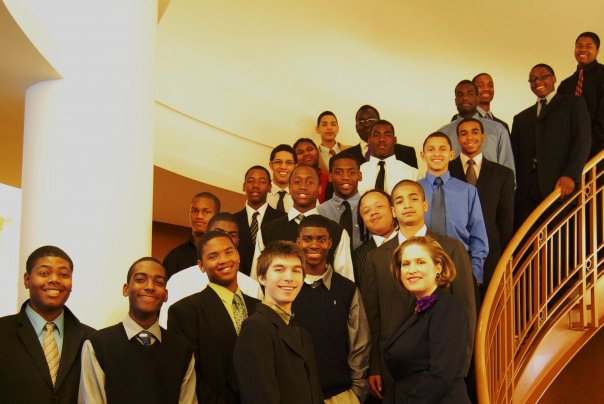

I become attached to my students. In fact, when they take their final exam, it’s sad for me because I know that’s the last time I might see many of them again. God love Facebook. I receive updates there.

Moreover, your students leave school to make their own contribution to our world and man, my students are doing some really cool things. They’re now dispersed across the globe doing what God planned for them to do. For a brief period of time, I had the pleasure of being a part of their lives. What value and honor in that.

MC&C: What advice would you give a student considering education?
LML:

  • Know your subject. Students rightly expect teachers to be well versed in their subject matter. Begin with your foundation and build from there. I’m a better teacher now than I was twenty years ago and such is to be expected. Trial and error can be your best friend. In life, school is never out.
  • Students learn in different ways. Acquire an understanding of learning theory; research the different teaching methods and experiment with them all.
  • Learn student names. Learn them and use them in class, in the hallway, and in unexpected encounters in the community. Indeed, discover what’s important to individual students (ALL of them) and make reference to those interests/those plans/those dreams as you lecture. Students will love you for it.
  • **Have a CLEAR electronic policy in place. My policy is written on my course syllabus. During class, I don’t allow cell phones or computers. If I see someone check their text message, I mark them absent for the day. Obviously, if someone is expecting an important phone call/text, I’m fine with that as long as they relay this to me before class begins. If you determine your policy, have it in writing, and enforce it, you won’t have to compete against gadgetry.

MC&C: What is most challenging about your profession?
LML:

  1. Maintaining stamina. Capturing and maintaining your students’ attention demands energy, passion, and enthusiasm. The demonstration of all over a period of ten hours can leave you (at times) mentally and physically depleted.
  2. Grading can be surprisingly hard work, especially critical essays. Subjective grades (speeches and papers) must be defended. If a student receives a low grade on a speech, you need to give him/her an explanation for why this is.
  3. Maintaining cultural relevance. Some of my best course concept examples are no longer understood by the current generation (although my middle-aged students immediately get them).

MC&C: In what way did your education prepare you for your career?
LML: I’ve always loved school and never feared working hard. Graduate school was a demanding time, one of the roughest and most humbling of my life. I learned that no matter how “good” you are in high school and indeed, even in college, when you’re at the graduate level, you can struggle to even be the mid-level grade.

But.

The silver lining is that their excellence raised the level of my own game. I’m a better speaker, writer, and teacher because of the quality of students in that academic population group.

I’d also add that good teachers combined with my work ethic better prepared me. A teacher who can simultaneously clarify and motivate is a treasure. Become that type of teacher.
MC&C: If you could do it all over again, would you still become an educator?
LML: This quarter alone, my students complimented my classes, wrote me thank you notes, triggered some speaking engagements, bought me my dream-list sterling silver pen from Tiffany’s (pictured at right), and allowed me into their lives for a period of ten weeks. Place students in a classroom and add a teacher. Magic can happen. I want to be there when it does.

MC&C: Thank you, LisaMarie, for sharing your thought-provoking experiences with us!

If you’re considering a rewarding career in education, depending on the grades you teach will determine what type of education is required. For example, to teach elementary school requires a bachelor’s degree in elementary education, while teaching high school will require a bachelor’s degree in secondary education. Finally, teaching at a college or university will typically require you to earn a master’s degree in the subject you will teach.

Keep up with LisaMarie Luccioni on her blog, The Image Professor, follow her on Twitter @imageprofessor or visit her online at The Image Establishment.
Acupuncture Helps with Infertility

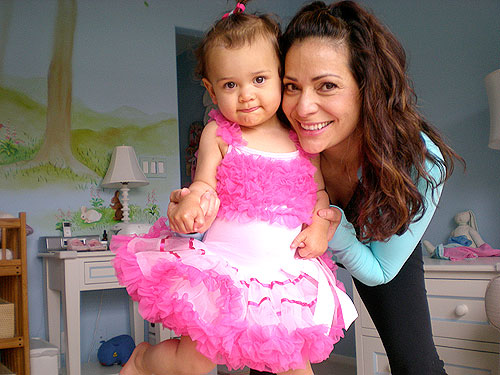
Constance Marie with daughter Luna Marie

Actress and celebrity blogger Constance Marie opened up this week about her struggles with fertility and how acupuncture made all the difference in finally conceiving her baby. After two miscarriages from trying to become pregnant naturally, a bout with Artificial Insemination, and In Vitro Fertilization, Constance and fiance Kent found themselves still unable to conceive. After their long fight with fertility, Constance went through short detox process then tried In Vitro once more, following it up with acupuncture. “To ensure implantation, I literally laid down on the couch for two days,” she reports. Nine months later, her baby Luna Marie was born.

Constance says they incorporated acupuncture during their efforts to conceive “because it has been reported to increase the ability of the embryo to implant into the wall of the uterus.”

So is there any proof that acupuncture helps with infertility?

A Reproductive Health Services study was conducted in Germany by Dr. Wolfgang Paulus, his associates, and the Department of Traditional Chinese Medicine in China to determine the effectiveness of acupuncture in improving In Vitro Fertilization success rates. In the study, 160 patients were divided into two groups, one that received acupuncture treatments before and after the embryo transfer, and one that had relaxation sessions before and after without any acupuncture treatment. The acupuncture was intended to “positively influence blood flow and energy to the uterus and to provide a sedative effect” and “influence the uterus and stabilize the endocrine system.”

Their findings indicated the women in the acupuncture group were far more likely to conceive then the other group, with 42.5% of the acupuncture group experiencing success in becoming pregnant, versus 26.3% in the other group.

The battle with infertility is an emotional and often surpassable journey. Many patients have been able to overcome infertility, conceive, and begin families thanks to acupuncture treatments.

For individuals who would like to begin an acupuncture career and help treat infertility, My Colleges and Careers will help them find an acupuncture program in their area and make a lasting difference in the world.

Dessert on the Grill: Grilled Fruit

Summer means it’s all about grilling — and not just your main dishes! Once you take your burgers off the barby, why not put dessert on the grill while it’s still hot? Here are three tried and tested grilled fruit recipes that will be sure to appeal to your sweet tooth.

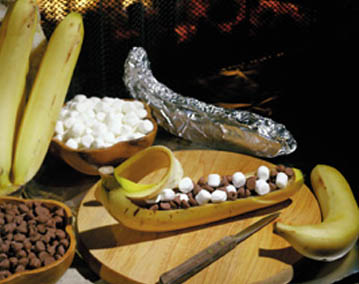
Dessert on the Grill: Banana Boat

The banana boat dessert incorporates chocolate chips and marshmellows that melt inside the banana peel on the grill. Simply wrap your banana boat in aluminum foil and place it over the flame, then enjoy! If you’re counting calories, why not try a healthy alternative with peanut butter (or Nutella) and some dark chocolate chips. I’m sure you’ve got all the ingredients at home to enjoy this fabulous recipe tonight!

Click here for the Banana Boat recipe by Dian Thomas!

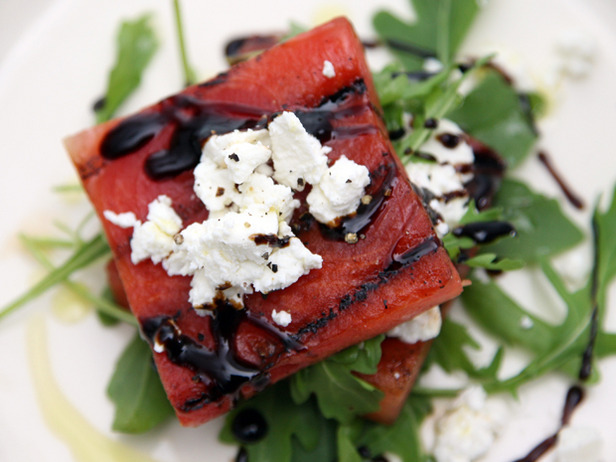
Dessert on the Grill: Grilled Watermelon

Grilled watermelon is a delicious dessert option that can double as an appetizer in the form of a grilled watermelon salad. When grilled with a thin layer of olive oil, the sugar in the watermelon caramelizes making it a perfect companion to balsamic vinegar, goat cheese, and arugula. It’s best to grill room temperature watermelon so it’s not hot on the outside and cold on the inside for a pleasant culinary experience.

Click here for Food Network’s Grilled Watermelon Salad recipe!

Dessert on the Grill: Grilled Pineapple Sundae

If you’ve ever had grilled pineapple, it’s something you don’t forget. This recipe takes it a step further by adding a scoop of vanilla ice cream onto the warm pineapple after it’s fresh off the grill. With such little prep time, you can have dessert ready in no time!

Click here for the Grilled Pineapple Sundae recipe from about.com!

Recipes are constantly innovating and becoming more imaginative. If you have a knack for creating unique dishes and want to start a restaurant of your own, why not consider a career in culinary arts? A culinary arts program will help you hone your cooking skills and embark on a rewarding career with plenty of opportunities to create and innovate. Check out My Colleges and Careers for a culinary arts program near you!

Summer BBQ and Grilling Recipes for Vegetarians

With the summer weather upon us, it’s time to break out the barby! But what if you’re a vegetarian? What can you put on the grill that is vegetarian and still mouthwatering? We went to AllRecipes.com to bring you popular vegetarian grilling dishes.

Summer BBQ and Grilling Recipe for Vegetarians #1: Grilled Veggie Sandwich

This grilled veggie sandwich is a personal favorite of mine and a staple during the summer months. This flavorful sandwich tastes amazing when grilled on a panini press as well and even gets rave reviews from dedicated meat-eaters!

Click here for the Grilled Veggie Sandwich summer BBQ and grilling recipe!

Summer BBQ and Grilling Recipe for Vegetarians #2: Best of Everything Veggie Burger

What if the sight of a burger leaves you salivating? This veggie burger made with black beans, rice, onions, mushrooms, and mozzarella cheese is a healthy alternative to beef and can even be devoured sans bun with salsa and sour cream instead for a low-carb meal. Even meat-lovers come back for seconds!

Click here for the Best of Everything Veggie Burger recipe!

If you have amazing vegetarian BBQ and grilling recipes up your sleeve that you can’t wait to share with the world, why not consider a career in culinary arts? A culinary arts program will help you hone your skills and launch a fulfilling career doing what you love best. Check out My Colleges and Careers for a culinary arts program near you!

Acupuncture FAQ

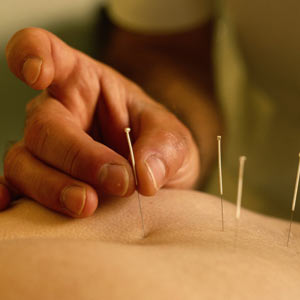
Acupuncture is an ancient form of healing in traditional Chinese medicine that involves inserting needles into different points in the body to aid healing and relieve pain. Last week in Canada’s Globe and Mail, Dr. Adam Chen from the Rehab and Wellbeing Center of Mount Sinai in Toronto discussed acupuncture and common questions that the general public has about this eastern treatment. My Colleges and Careers has provided some highlights below:

Does acupuncture hurt?

Dr. Adam Chen: A properly trained acupuncturist will place a needle gently so that it is painless, or the pain is no worse than a mosquito bite.

What is acupuncture good for?

Dr. Chen: According to practitioners of traditional Chinese medicine, acupuncture is an important therapy for every person’s overall well-being. They use it for the prevention and treatment of a long list of medical conditions including migraines, insomnia, stress, depression, fertility issues, pain, neurological conditions and shingles, as well as drug, alcohol and smoking addictions.

How does acupuncture work?

Dr. Chen: The basis of acupuncture is simple. In Chinese medicine, it’s believed that in a healthy body, energy flows through channels smoothly. If that energy flow is disrupted, the person may become ill or suffer from pain. Each person’s body has more than 300 acu-points where energy flow can be disrupted. Acupuncturists determine the disruptions by taking the patient’s pulse, reading his or her tongue and feeling his or her muscle tone. Needles are placed at the disrupted acu-points to resume the energy flow, which is thought to improve the patient’s well-being.

My College and Careers offers post-secondary acupuncture programs. For more information, click here!

Career Spotlight: Fashion Designer

What does a Fashion Designer Do?

Fashion Design by Design Student Gabriela Hernandez

Fashion designers are responsible for the design and creation of clothing and apparel. This includes creating the concept of the clothing on paper, creating a pattern, cutting patterns, constructing clothing, and adjusting designs. They select the colors, fabrics, and textures that would be ideal for the construction of their clothing. Fashion designers identify their target markets, conduct market research, and create clothing for their market’s lifestyle and preference.

Preparation: Fashion Designer

Fashion programs will teach classes on color, drawing, form, pattern making, draping, and cutting techniques. Since fashion designers first capture their concepts on paper, it is important to be able to sketch their ideas. While a formal education isn’t always necessary for becoming a fashion designer, having the credibility of a renown fashion design school on your resume can go a long way. To become an independent fashion designer, business savvy is required.

Personality Profile: Fashion Designer

Since clothing is the outward expression of one’s personality, possessing creativity, vision, and individuality is invaluable. Fashion designers need creativity as well as an understanding of drawing, sewing, and production.

By the Numbers: Fashion Designer

  • Fashion designers held about 23,000 jobs in 2008.
  • There are 7,200 projected job openings for fashion designers over the next decade.

Fashion Designer Perks

In order to stay up to date on the latest trends, fashion designers have the perk of attending fashion shows. Many fashion designers are self-employed, giving them independence and flexibility in their career and personal life.

Show Me the Money: Fashion Designer Salary

In 2009, fashion designers made approximately $30.90/hour and $64,260 annually.

To find the ideal fashion design program for you to launch a successful design career, visit My Colleges and Careers!

(Fashion design sketch by design student Gabriela Hernandez)

Military Appreciation Day

In honor of Memorial Day, Lake Placid Middle School students were exposed to living history during their second Military Appreciation Day as veterans set up in the school gym and shared their war stories and memorabilia with them, helping them gain a greater appreciation of the price paid for freedom.

During the Military Appreciation Day, students interacted with veterans like Kelly Meier, an aircraft mechanic in WW II, Louis Brough, a second lieutenant and pilot in WW II, and Fed Arbelo, a Marine who was wounded in Korea, received the Military Order of the Purple Heart and went on to be a school teacher.

“Don’t be a follower,” Arbelo advised the students. “Stay in school. Education is most important.” For those considering joining the military, he said, “Take at least a year of college before you join. That way you can become a lieutenant.”

The Military Appreciation Day event was planned by Principle Derrel Bryan and 7th grade teacher Beverly House as an opportunity for them to personally meet people who had served in the military and gain an appreciation of the military and a deeper respect for Memorial Day.

Did it work? “I appreciate the veterans for what they’ve done,” said Alejandro Cantarino, a seventh grader.

Looks like Military Appreciation Day accomplished its goal.

The Fashion Assignment of the Century: Bella's Wedding Dress

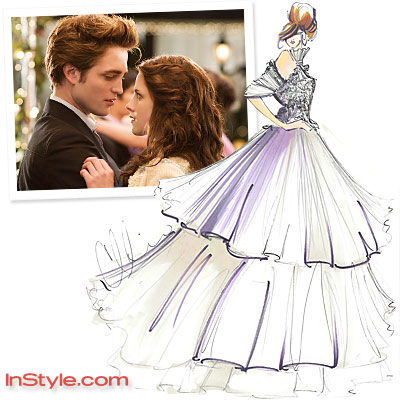
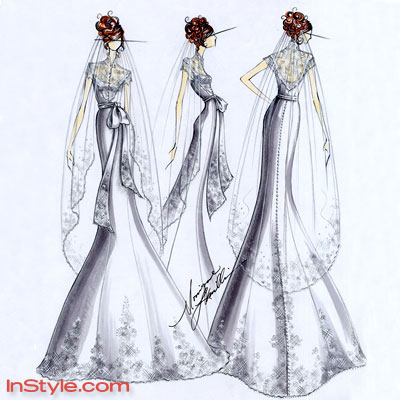
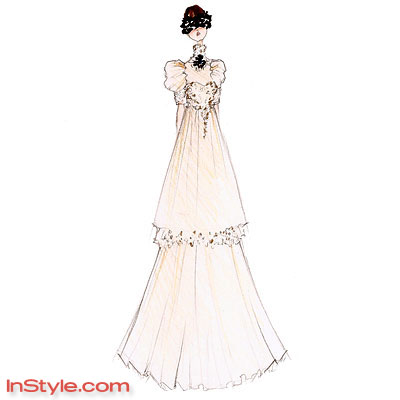
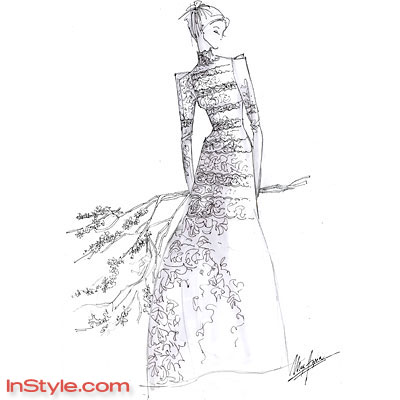
Okay, Twilight die-hards: Can you imagine being given the fashion assignment of the century to design Bella’s wedding dress? In Style magazine invited some of their favorite designers to design the gown they see Bella in walking down the aisle. Described as something out of the 1900s (straight out of Edward’s era) with a modern twist, here are some of our favorite designs for Bella’s wedding dress:

Bella’s Wedding Dress #1: Christian Siriano

Bella’s Wedding Dress #2: Lela Rose

Bella’s Wedding Dress #3: Monique Lhuillier

Bella’s Wedding Dress #4: Erin Fetherston

Bella’s Wedding Dress #5: Prabal Gurung

Bella’s Wedding Dress #6: Max Azria

Which of these wedding dresses for Bella can you see her wearing?

If you would love to design wedding dresses, check out My Colleges and Careers for a fashion design program!

Copyright © 2011 . MyCollegesandCareers.com . All Rights Reserved